EPO welcomes EU study concluding that an EU-wide positive list of pets is currently not justified

An important outcome for the European pet sector and for science-based EU policymaking.
The European Pet Organization (EPO), representing the pet sector at European level, welcomes the publication by the European Commission of the long-awaited Study on the need for, added value of and feasibility of introducing a “positive list of pets” across the EU, undertaken in the framework of the EU Action Plan Against Wildlife Trafficking.
The main conclusion of the study is clear:
the introduction of a comprehensive EU-wide positive list of pets is currently neither sufficiently justified by the available evidence nor proportionate.
This outcome reflects many of the arguments and alternative policy recommendations that EPO has consistently put forward in its engagement with the European institutions over recent years.
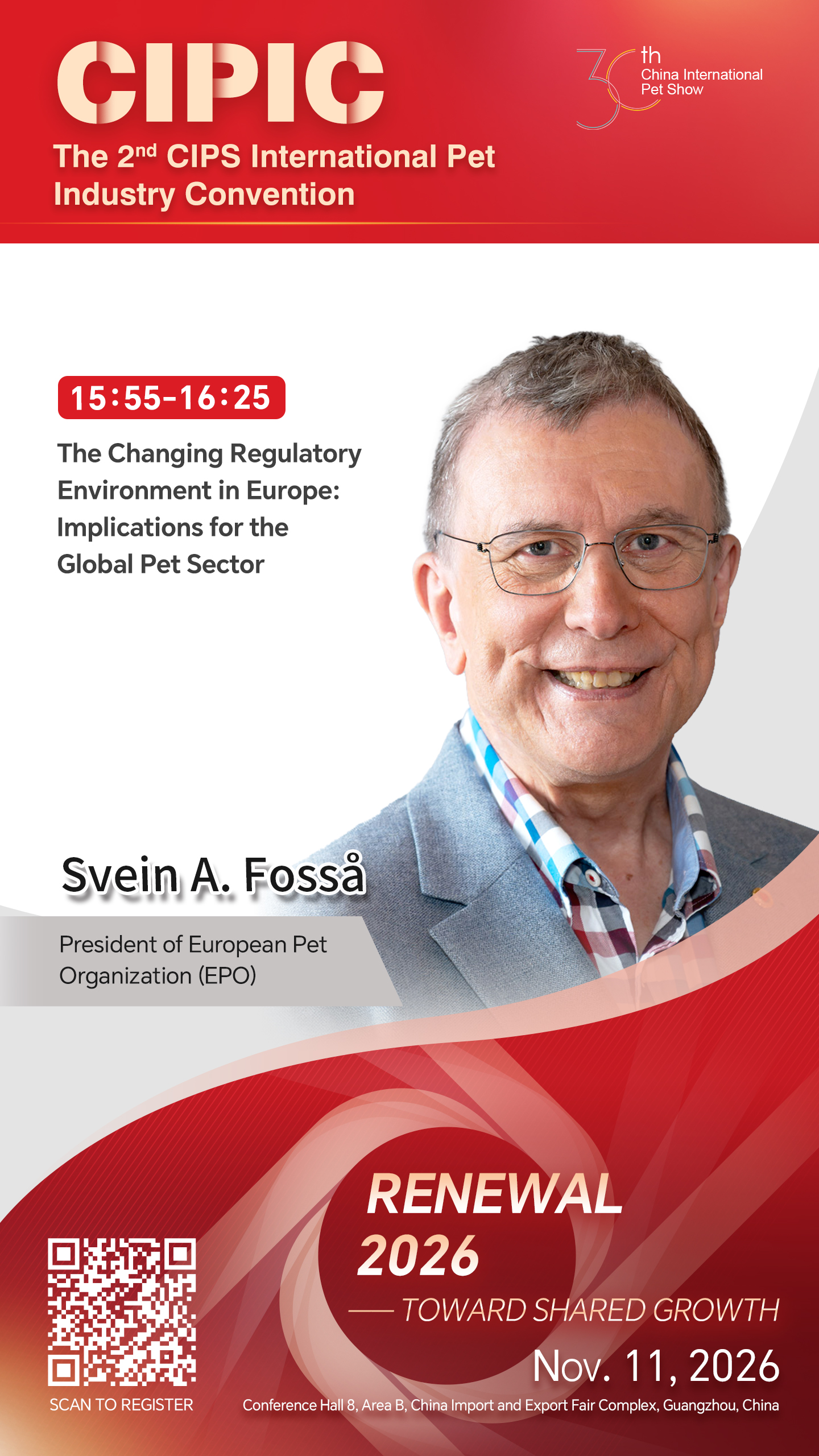
EPO President Svein A. Fossa, said ““I welcome the study’s conclusion that the evidence does not justify a comprehensive EU-wide positive list. A list can tell you whether a species is allowed. It cannot tell you whether an animal is receiving the care it needs or whether it was legally sourced. The study gives the EU a credible way forward. Equip owners to meet their animals’ needs, enforce the rules already in place and target restrictions where the evidence shows they are needed. Responsible pet businesses and breeders have a practical role in making that work.”
Key findings of the study
While acknowledging that genuine challenges exist within certain parts of the pet trade and that greater regulatory coherence across the EU would be beneficial, the study highlights that:
- The nature and severity of risks vary considerably depending on the species, origin, trade pathways and conditions of keeping.
- Coordinated EU action could bring added value, particularly in relation to data collection, traceability, enforcement and regulatory coherence.
- There is insufficient evidence to demonstrate that a comprehensive EU-wide positive list is necessary, proportionate or operationally feasible under current conditions.
Importantly, the study favours a targeted, risk-based approach, strengthening existing legislation and addressing identified high-risk species and trade pathways, rather than introducing a general prohibition on all species that have not been previously assessed and authorised.
EPO’s longstanding engagement on positive lists
Throughout the development of the study, EPO has actively engaged with the study consortium, the European Commission and relevant stakeholders, providing scientific, technical and practical expertise from across the European pet sector.
The presentation of the preliminary findings in June 2025 marked an important turning point in the development of the study. EPO raised a number of substantive concerns regarding the methodology, the available scientific evidence and the proportionality of a positive list approach, calling for a reassessment of the findings and greater consideration of alternative policy measures.
The conclusions published today are particularly welcome given EPO’s longstanding engagement on this issue.
They represent an important milestone in EPO’s longstanding advocacy for science-based, proportionate and effective policymaking.
Education and enforcement rather than blanket prohibitions
As reiterated in its position paper on positive lists, EPO firmly believes that improving animal welfare, protecting biodiversity and combating illegal wildlife trade require effective and targeted measures, rather than blanket restrictions on responsible pet keeping.
EPO continues to advocate for better implementation and enforcement of existing EU legislation along with education of pet owners and promotion of responsible ownership and high standards of animal care.
EPO believes that the focus of public policy should be on ensuring that animals are kept responsibly and that their welfare needs are adequately met, rather than simply restricting the diversity of species that may be kept.
EPO has consistently advocated for the education of pet owners and the promotion of responsible ownership, ensuring that the specific welfare needs of each animal can be adequately met: the right pet, with the right owner, in the right environment.
Looking ahead: continued engagement and cooperation
While the study does not permanently rule out the possibility of a positive list, it recognises that the scientific evidence, assessment methodologies and institutional capacity necessary to justify such an instrument are currently insufficient.
It is important to recall that the study is exploratory and does not constitute a legislative proposal or a formal policy decision by the European Commission.
Its conclusions should now inform future EU policy discussions on the trade in and keeping of pets.
EPO remains fully committed to working constructively with the European institutions and other stakeholders to promote animal welfare, responsible pet ownership, biodiversity conservation and a legal, sustainable and responsible pet trade.
The responsible pet sector must be recognised as part of the solution and as a valuable partner in achieving these shared objectives.